Audience and energy
Plan for new joiners, graduate batches, interns, managers, buddy groups, and cross-functional cohorts. The activity should match confidence levels, seniority, language mix, mobility, and whether people already know each other.
Employee onboarding team building Singapore
Turn an induction slot into a structured first shared experience. GOSH! helps new hires learn names, meet colleagues across functions and explore culture messages through hosted mobile missions, without adding another presentation to the onboarding agenda.
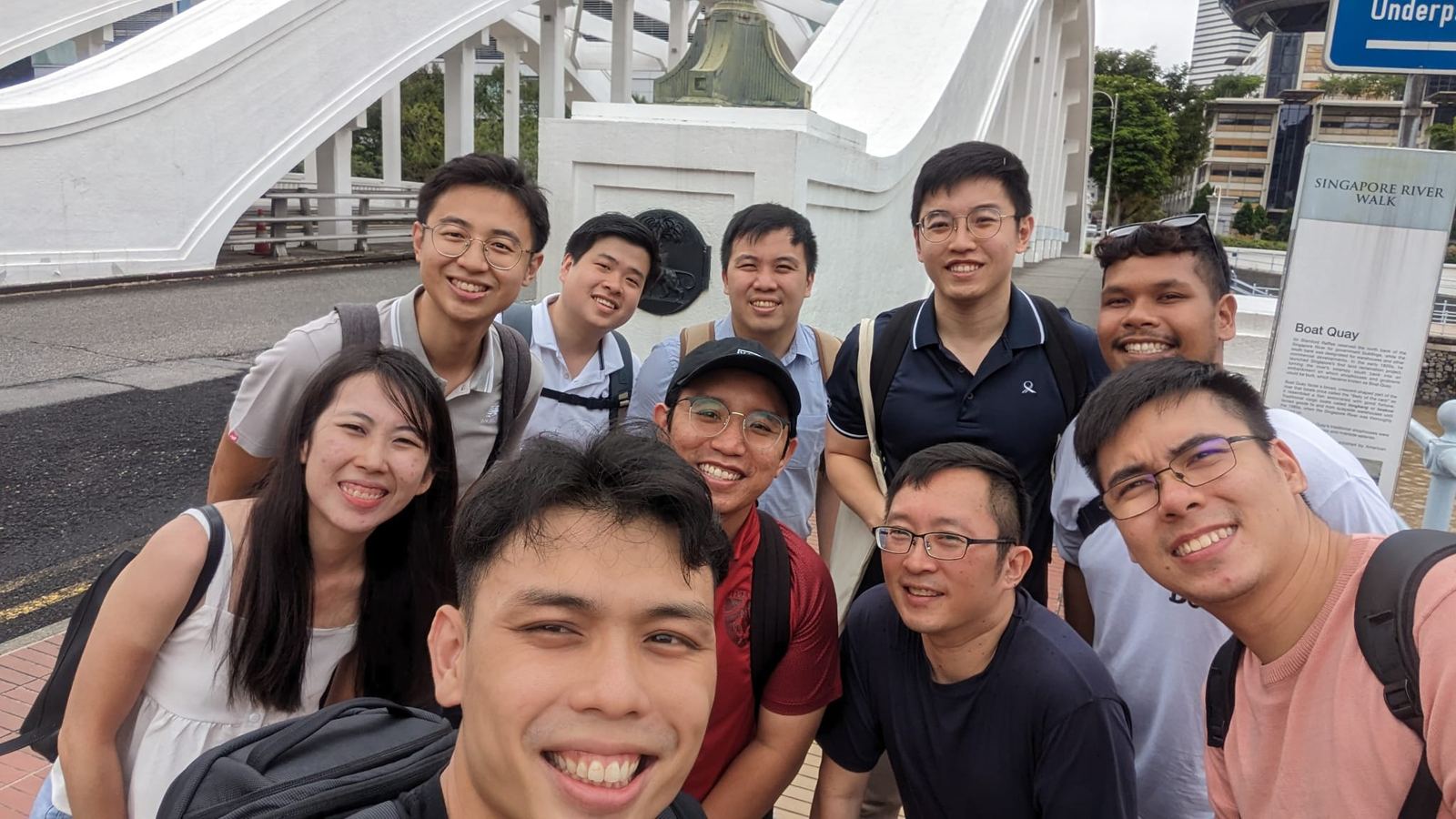
Best fit
Use this format when people are entering the organisation together but do not yet have the relationships or context to collaborate confidently. It can connect new hires with buddies, managers and colleagues from other functions in an office, campus, training room or hotel. For a short 30, 45 or 60-minute slot, reduce the mission count and protect time for introductions and a closing reflection.
Need a more detailed activity menu for the induction slot? Compare employee onboarding games for introductions, company context, and first-month follow-through before choosing the mission mix.
Planning criteria
Context-specific team building works when the format is designed around the brief, not copied from a generic activity menu.
Plan for new joiners, graduate batches, interns, managers, buddy groups, and cross-functional cohorts. The activity should match confidence levels, seniority, language mix, mobility, and whether people already know each other.
Design around offices, campuses, training rooms, hotels, and hybrid onboarding venues. Check seating, sound, Wi-Fi, lighting, movement paths, stage cues, and whether teams can spread out safely.
Keep the activity realistic for 30, 45, or 60-minute onboarding activity blocks. A strong format includes briefing, team setup, missions, scoring, transition time, and a closing moment.
Choose one measurable onboarding outcome: new hires can identify who to approach across functions, explain selected culture messages in their own words, or leave with several useful peer connections. The mission design and debrief should support that outcome rather than trying to cover the entire induction programme.
Decide whether the group needs self-guided instructions, remote launch support, an on-site host, or a full facilitation team to manage pace and energy.
Ask what changes if attendance, timing, weather, speaker overrun, venue rules, or stakeholder priorities shift before the activity starts.
Format comparison
Use this comparison before requesting an onboarding activity quote. A useful recommendation should show how the participant mix, room, induction timetable and desired relationship outcome change the format.
| Option | Best for | Strength | Watch out |
|---|---|---|---|
| GOSH mobile mission format | New-hire cohorts that need active introductions, cross-functional discovery and selected culture messages inside a 30, 45 or 60-minute block. | QR joining, mobile missions, team submissions, live scoring, host control, and flexible indoor or route-based delivery. | Not the best fit if the brief requires a purely classroom-style workshop or a prop-heavy physical sports day. |
| Workshop or trainer-led session | Groups that need reflection, frameworks, leadership development, or facilitated discussion more than event energy. | Good for learning outcomes and structured debriefs. | Can feel too much like training when the audience expects participation, competition, or celebration. |
| Outdoor race or route activity | Teams with time, comfortable attire, weather tolerance, and a venue or precinct worth exploring. | Creates movement, discovery, and a strong sense of adventure. | Weather, accessibility, route safety, and travel time can disrupt a tight corporate agenda. |
| Stage or table game format | Audiences that must stay seated or close to the main programme flow. | Easy to integrate with emcees, AV cues, and short agenda gaps. | Can become passive if only a few representatives participate while the rest watch. |
Page-specific planning
Use this section as the practical filter before shortlisting Employee onboarding team building Singapore. It turns the page from a keyword match into a buyer decision guide.
Use this when the team needs a hosted activity that feels specific to the group, not a copied activity list with the keyword changed. The page should answer the buyer's actual situation around Employee onboarding team building Singapore, not just repeat the activity category.
A strong GOSH format should connect missions, team submissions, scoring, facilitation, and the event objective into one clear participant journey.
Avoid overloading the agenda with too many mechanics. Participants should always know what to do next, why it matters, and how their team can win.
Share pax, venue, timing, audience profile, objectives, mobility limits, budget range, and whether the activity should be competitive, collaborative, creative, or message-led.
For Employee onboarding team building Singapore, the first recommendation should state the likely activity shape, facilitation level, movement plan, content customisation, fallback approach, and quote assumptions. That gives the buyer a usable planning direction before a formal proposal is prepared.
Quote-ready planning
GOSH runs through Get Out! Events, so the recommendation can account for facilitation, event flow, venue constraints, group size, and budget before a proposal is prepared.
Next step
Choose the enquiry path that matches where you are in the planning process. GOSH will receive this page context with your brief.
Share pax, timing, venue, and objective for Employee onboarding team building Singapore. GOSH can recommend the support level and format before you ask for a formal proposal.
Compare hosted mobile missions, workshops, game formats, dinner activities, indoor plans, and outdoor routes.
Send the known details now so the recommendation can account for access, weather, group size, AV, food service, and facilitation.
Formats
A short hosted round for 30, 45, or 60-minute onboarding activity blocks, with table or nearby-zone missions and a leaderboard finish.
Missions can reference the employee onboarding theme, company values, products, leadership messages, or event objectives. For structured early-career cohorts, compare graduate programme team building designed around induction objectives; lean teams introducing several new hires at once can compare startup bonding activities built for fast onboarding.
Start and finish in a controlled room, then add nearby checkpoints only if the venue, timing, and audience make movement worthwhile.
Sample flow
Why GOSH
GOSH! combines mobile missions, team prompts, live scoring, facilitator support, and AI-assisted planning so the activity can adapt to your event instead of forcing every group through the same fixed format.
Questions
An onboarding activity starts with people who may not know the organisation or one another. It should make introductions easier, use only the culture or department content the cohort needs, fit the induction timetable, and end with a clear next connection. It should not feel like a generic game inserted between presentations.
Yes. Missions can be adapted around company values, event themes, product knowledge, leadership messages, sponsor moments, venue zones, or onboarding content.
Avoid a phone-led mission format if the real need is a long training workshop, a quiet therapy-style session, or a fully physical sports activity. Also avoid overcomplicated movement when turning onboarding into a presentation-heavy day where new joiners remember slides but not people.
No. GOSH! is designed around fast QR-based joining so teams can enter the activity quickly on their phones.
Yes. GOSH! can run self-guided, with remote launch support, or with on-site facilitators for hosted team energy, scoring, hints, and debriefs.
Yes. Missions can be adapted around your theme, company values, venue, product, learning points, or retreat agenda.
AI helps speed up brief analysis, mission drafts, quiz ideas, event variations, and post-event summaries. Producers and hosts still shape the final experience.
Plan your experience
Share your pax, venue, timing, and support needs. We will recommend a format that fits the group instead of sending a generic package.