Audience and energy
Plan for employees, departments, award nominees, management teams, and table groups. The activity should match confidence levels, seniority, language mix, mobility, and whether people already know each other.
Dinner and dance team building Singapore
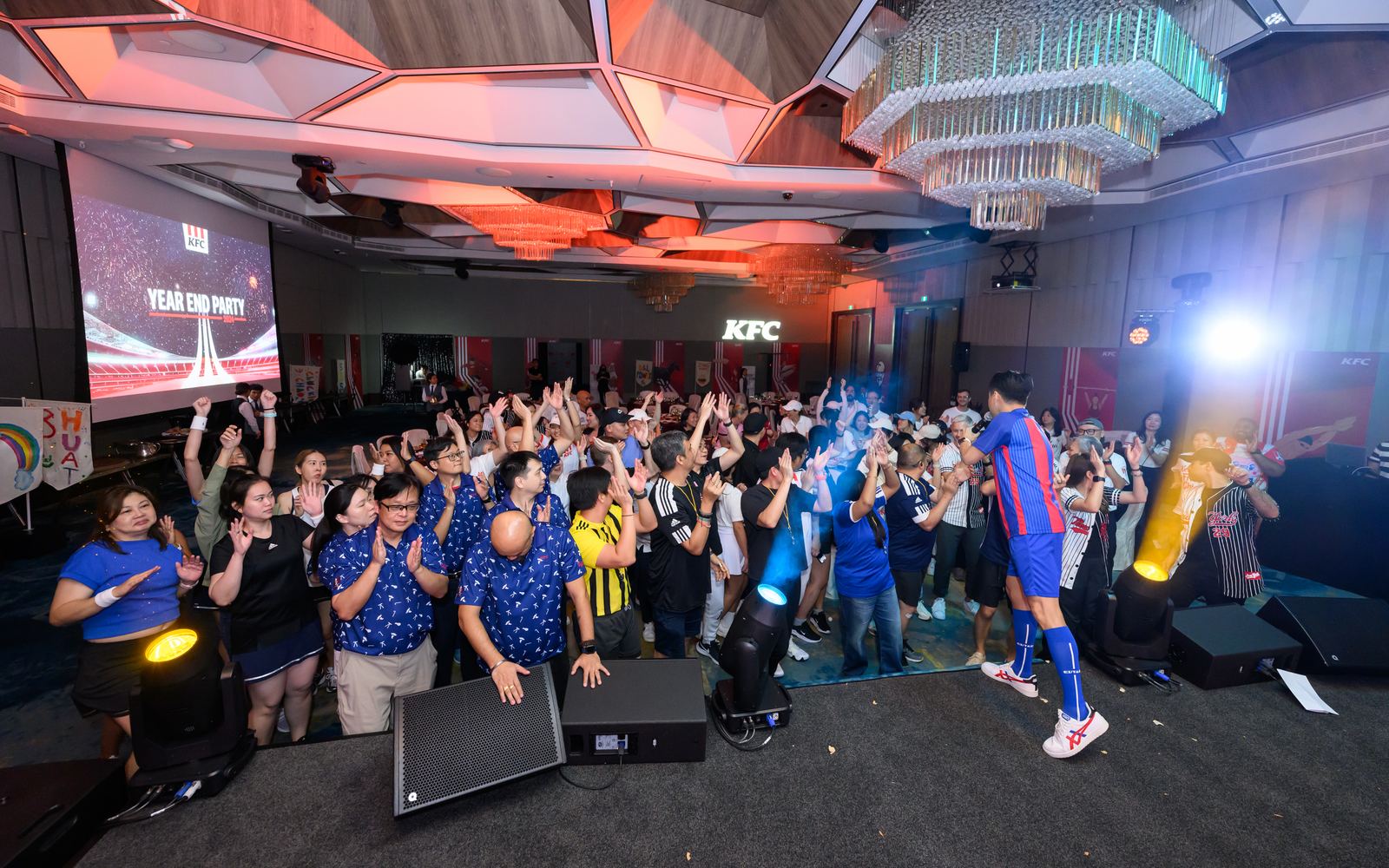
Plan a dinner and dance activity that earns participation without competing with dinner service, speeches, awards, or the emcee. GOSH! shapes table missions, scoring, and host handoffs around the actual banquet run sheet.
Best fit
Use this page when the brief is dinner and dance team building for employees, departments, award nominees, management teams, and table groups. A workable proposal should map the activity to the banquet run sheet, identify the playable zones and table setup, state who controls the launch and scoring, and show how meal service, speeches, awards, AV cues, and the closing result fit together. The format should respect hotel ballrooms, banquet halls, company dinner venues, and stage-led event spaces rather than forcing a standalone team-building programme into the night.
Planning criteria
Context-specific team building works when the format is designed around the brief, not copied from a generic activity menu.
Plan for employees, departments, award nominees, management teams, and table groups. The activity should match confidence levels, seniority, language mix, mobility, and whether people already know each other.
Design around hotel ballrooms, banquet halls, company dinner venues, and stage-led event spaces. Check seating, sound, Wi-Fi, lighting, movement paths, stage cues, and whether teams can spread out safely.
Keep the activity realistic for 10-minute icebreakers, 20-minute table rounds, or 45-minute activity segments. A strong format includes briefing, team setup, missions, scoring, transition time, and a closing moment.
The activity should create table participation, support the emcee flow, and add interaction without slowing meal service. That objective matters more than choosing the most familiar activity name.
Decide whether the group needs self-guided instructions, remote launch support, an on-site host, or a full facilitation team to manage pace and energy.
Ask what changes if attendance, timing, weather, speaker overrun, venue rules, or stakeholder priorities shift before the activity starts.
Compare the same scope across proposals: planning calls, mission customisation, platform access, rehearsal or technical check, facilitators, scoring, leaderboard display, prizes, transport, GST, and post-event reporting. Confirm which party supplies the emcee, AV operator, screens, microphones, venue approvals, and participant communications.
Put five control points into the run sheet: QR ready, joining closed, gameplay start, score freeze, and winner reveal. Give each point an owner and a latest safe time. The banquet manager protects service, the emcee releases each cue, the activity lead controls missions and scoring, and the AV operator confirms the joining screen and leaderboard feed. If a speech or course overruns, the agreed cut rule should remove a mission or shorten the round instead of pushing the whole dinner programme late.
Format comparison
Use this comparison before asking vendors for dinner and dance team building singapore quotes. The right provider should explain how the format changes for your room, audience, timing, and objective.
| Option | Best for | Strength | Watch out |
|---|---|---|---|
| GOSH mobile mission format | Teams that need to create table participation, support the emcee flow, and add interaction without slowing meal service inside 10-minute icebreakers, 20-minute table rounds, or 45-minute activity segments. | QR joining, mobile missions, team submissions, live scoring, host control, and flexible indoor or route-based delivery. | Not the best fit if the brief requires a purely classroom-style workshop or a prop-heavy physical sports day. |
| Workshop or trainer-led session | Groups that need reflection, frameworks, leadership development, or facilitated discussion more than event energy. | Good for learning outcomes and structured debriefs. | Can feel too much like training when the audience expects participation, competition, or celebration. |
| Outdoor race or route activity | Teams with time, comfortable attire, weather tolerance, and a venue or precinct worth exploring. | Creates movement, discovery, and a strong sense of adventure. | Weather, accessibility, route safety, and travel time can disrupt a tight corporate agenda. |
| Stage or table game format | Audiences that must stay seated or close to the main programme flow. | Easy to integrate with emcees, AV cues, and short agenda gaps. | Can become passive if only a few representatives participate while the rest watch. |
Planner notes
A dinner activity succeeds when the organiser protects meal service and stage cues first, then gives every table a simple way to participate. Use these checkpoints to brief the venue, emcee, AV team and activity producer from one run sheet.
If the programme is mainly a seated meal rather than a full awards show, compare the team-building dinner planning guide for a simpler table-first format.
If the annual dinner needs one compact participation segment between courses, use the annual dinner team-building guide to compare table missions, company quiz rounds, live scoring and the timing details needed for a quote.
For a broader celebration brief with family participation, use the corporate family day ideas guide instead of forcing a ballroom format onto a mixed-age event.
Reserve one defined slot, such as a 10-minute opener, a 20-minute table round between courses, or a 45-minute hosted segment. Record the earliest start, hard stop and who may shorten the round if speeches or dinner service overrun.
Name who gives the launch cue, advances slides, opens microphones, releases teams, freezes scoring and announces winners. The venue banquet lead, emcee, AV operator and GOSH host should all work from the same cue sequence.
Keep high-participation missions at tables or in safe nearby zones. Avoid sending guests across service aisles, asking them to handle props during a course, or requiring movement that conflicts with formal clothing and ballroom lighting.
Decide whether one phone joins per table or smaller teams join separately. Test the QR code, guest Wi-Fi or mobile data, leaderboard screen ratio, clicker handoff and a verbal fallback before doors open.
Ask each provider to state mission customisation, rehearsal, facilitation headcount, platform access, scoring, leaderboard output, prizes, transport, AV assumptions, GST and the overrun fallback. A lower headline price may exclude work the ballroom programme still needs.
For each activity burst, record the meal course, planned start, maximum duration, emcee cue, screen state, microphone owner, service hold, scoring close and next programme item. This lets the banquet lead call a safe delay without losing the winner reveal or the next stage cue.
Agree in advance what happens at 10, 20 and 30 minutes behind schedule: shorten the mission set, switch to one table round, move the reveal, or cancel the activity cleanly. Name the person who can make each call and the latest time the GOSH host must know.
Choose whether each banquet table plays as one team or splits into smaller groups. Record table numbers, expected seats, late-arrival handling and the score name shown on screen so registration staff and the emcee do not rebuild teams during dinner.
Run one timed rehearsal from QR scan to final leaderboard. Confirm the screen source, tie-break rule, prize count, winner-name pronunciation and who verifies the result before the emcee announces it.
Run-of-show decision guide
Dinner and dance programmes are timing-sensitive. Start with the slot the banquet and show can safely release, then choose a mechanic that fits it. This prevents a team activity from delaying food service, awards, speeches, or the final entertainment block.
| Available slot | Practical format | Operations check | Best evidence to request |
|---|---|---|---|
| 10 minutes before dinner | One QR join, one table challenge, and a rapid reveal led by the emcee. | Confirm that registration is complete, phones can connect, and the first course will not enter during the reveal. | A minute-by-minute cue sheet showing briefing, play, submission, and hand-back to the emcee. |
| 20 minutes between courses | Two or three seated missions using quizzes, photos, or creative team submissions. | Agree a hard stop with banquet operations and avoid mechanics that block service aisles or require guests to leave tables. | A sample mission flow, scoring method, and fallback if meal service starts early. |
| 30 to 45 minute feature segment | A hosted table tournament or compact indoor route with live scoring and a shared finale. | Reserve briefing and results time inside the slot, not on top of it. Confirm AV cues, movement zones, and winner handover. | A staffing plan, floor movement plan, AV list, run-of-show insertion, and named onsite lead. |
Provide guest count, table count, venue and room layout, exact start and hard-stop time, meal-service sequence, emcee and AV setup, mobility needs, preferred objective, and budget range. Ask vendors to state what is included, what the venue must provide, and which assumptions could change the quote.
Name who releases the activity to start, who can shorten it onsite, and who receives the programme back when scoring ends. The activity lead, banquet captain, emcee, AV operator, and event owner should use the same final cue sheet.
Keep a shortened mission set ready for speaker overrun or early food service. For connectivity issues, prepare a host-led table prompt or shared-screen round that preserves participation without forcing guests to reinstall or troubleshoot during dinner.
Ballroom run sheet to playable segment
A dinner activity is only workable when the proposal states exactly how joining, briefing, play, scoring and the result fit between ballroom cues, courses and speeches. Share the current run sheet so the recommendation protects food service and the formal programme.
Next step
Choose the enquiry path that matches where you are in the planning process. GOSH will receive this page context with your brief.
Share pax, venue, course timing, and emcee flow so GOSH can fit the activity around the meal instead of interrupting service.
Compare table missions, short quiz rounds, prize reveals, and low-walking formats for your dinner agenda.
Send the ballroom, restaurant, or hotel details and we will check AV, table layout, Wi-Fi, timing, and facilitator fit.
Formats
A short hosted round for 10-minute icebreakers, 20-minute table rounds, or 45-minute activity segments, with table or nearby-zone missions and a leaderboard finish.
Missions can reference the dinner and dance theme, company values, products, leadership messages, or event objectives. If the brief needs a shared performance rather than table missions, compare music team bonding built around rehearsal, participation and a collective finale before locking the banquet run sheet.
Start and finish in a controlled room, then add nearby checkpoints only if the venue, timing, and audience make movement worthwhile.
Sample flow
Why GOSH
GOSH! combines mobile missions, team prompts, live scoring, facilitator support, and AI-assisted planning so the activity can adapt to your event instead of forcing every group through the same fixed format.
Questions
The context matters. A dinner and dance activity has to fit 10-minute icebreakers, 20-minute table rounds, or 45-minute activity segments, hotel ballrooms, banquet halls, company dinner venues, and stage-led event spaces, and employees, departments, award nominees, management teams, and table groups. The format should support the event objective instead of interrupting the programme.
Yes. Missions can be adapted around company values, event themes, product knowledge, leadership messages, sponsor moments, venue zones, or onboarding content.
Avoid a phone-led mission format if the real need is a long training workshop, a quiet therapy-style session, or a fully physical sports activity. Also avoid overcomplicated movement when planning an activity that fights the stage schedule, sound cues, food service, or formal attire.
It should confirm the playable time window, expected group and table setup, venue zones, joining method, mission types, custom content approval, facilitation roles, scoring and leaderboard flow, AV dependencies, inclusions, exclusions, and the fallback if speeches or meal service overrun. That makes competing quotes easier to compare on delivery scope instead of price alone.
No. GOSH! is designed around fast QR-based joining so teams can enter the activity quickly on their phones.
Yes. GOSH! can run self-guided, with remote launch support, or with on-site facilitators for hosted team energy, scoring, hints, and debriefs.
Yes. Missions can be adapted around your theme, company values, venue, product, learning points, or retreat agenda.
AI helps speed up brief analysis, mission drafts, quiz ideas, event variations, and post-event summaries. Producers and hosts still shape the final experience.
Plan your experience
Share your pax, venue, timing, and support needs. We will recommend a format that fits the group instead of sending a generic package.